

1 Introduction
The media play a central role in shaping public understanding of climate change [Schäfer & Painter, 2021], a crisis that already affects billions of people [IPCC, 2022a]. However, communicating climate change remains challenging, as its causes and impacts are complex, often perceived as distant, and not always clearly explained in everyday news coverage [Borchardt et al., 2023; Spence et al., 2012]. Previous research shows that journalism has tended to prioritise political and economic frames over scientific explanation, limiting its contribution to climate literacy [Hase et al., 2021; Boykoff & Roberts, 2007].
The global response to climate change is based on mitigation and adaptation, with the latter focusing on reducing vulnerability to increasingly frequent and intense extreme events [IPCC, 2022b, 2023]. In this context, international and national frameworks highlight communication and access to information as essential components for strengthening risk perception and supporting informed responses [MITECO, 2020; UNFCCC, 2015; IPCC, 2023]. It should be acknowledged that adaptive responses are also shaped by social and psychological factors. Morrison et al. [2018] identify declining engagement and audience fatigue as significant obstacles to sustained climate action, while Poortinga et al. [2023] show that generational differences in emotional engagement influence climate risk perception.
However, prioritising effective communication is essential for anticipating impacts and providing timely responses to high-risk events, as adaptation involves not only physical infrastructure but also strategies such as climate literacy and anticipatory communication [Noble et al., 2014]. As Farré i Coma [2022] argues, ‘reactive communication is insufficient if we consider risk as fundamental’. Similarly, Coughlan de Perez et al. [2022] show that anticipatory adaptation measures, including early warning systems, are more effective when accompanied by timely and practical communication. This aligns with research demonstrating that even advanced early warning systems can be ineffective if risk information is not communicated clearly and promptly to support decision-making [Fakhruddin et al., 2020]. In this regard, science journalism can contribute to adaptation processes by improving public understanding of risk and supporting informed decision-making.
This practice insight investigates the contribution of multidisciplinary journalism to climate adaptation through the case of Weather Stories, a daily science communication model developed by La Voz de Galicia, ranked as the fifth among general interest newspapers in Spain [AIMC, 2026], in collaboration with the Nonlinear Physics Group of the University of Santiago de Compostela. We consider how this sustained partnership may support public understanding of risk and strengthen the integration of scientific knowledge into journalistic practice.
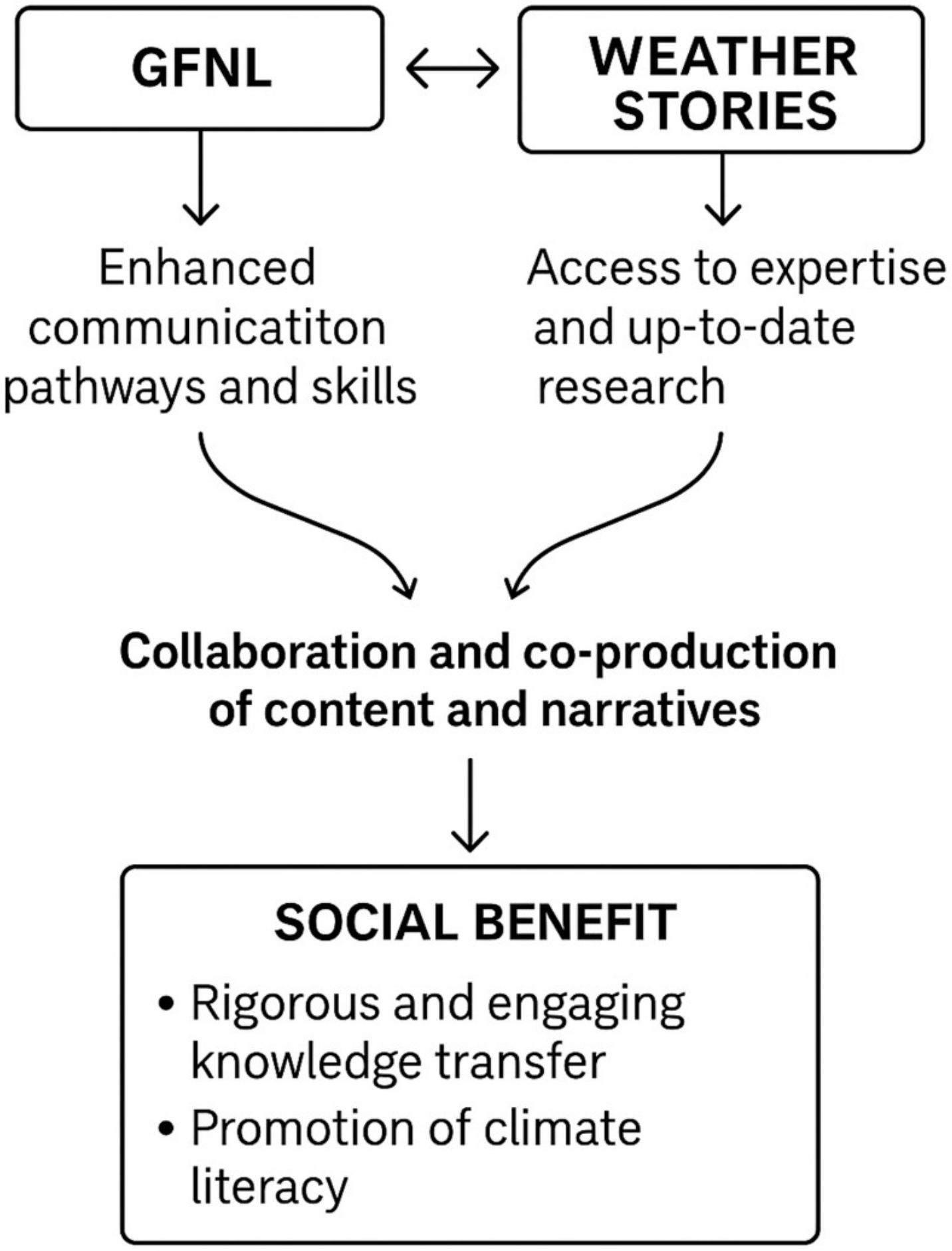
This multidisciplinary collaboration enables the GFNL to disseminate its scientific output through journalistic formats and public communication practices. In turn, Weather Stories gains access to specialised scientific knowledge — including tools for analyzing and detecting extreme weather phenomena — which is incorporated into a more anticipatory and explanatory approach to covering extreme events (see Figure 1). The scientific expertise generated within the GFNL translates into journalistic narratives, providing the newsroom with scientific analyses not typically obtained through conventional journalistic sources.
Beyond its journalistic relevance, this practice insight contributes to ongoing debates on bridging research and practice in science communication. Previous work has identified persistent gaps between these communities. While many studies examine how research influences practice [Fischer et al., 2024; Saladie et al., 2025], this case illustrates the reverse dynamic, serving as a practical example of how findings from the evaluation of a sustained collaborative initiative can contribute to scholarly knowledge and inform a transferable model of multidisciplinary science communication.
2 Conceptual framework: multidisciplinary journalism
This practice insight introduces the concept of multidisciplinary journalism, which describes forms of collaboration between journalists and scientists that emerge in response to complex challenges such as climate change. In this case, multidisciplinary journalism refers to sustained collaboration oriented toward a common communicative goal, while maintaining distinct professional roles.
Previous research has identified related conceptual approaches. Academic explanatory journalism describes a hybrid model where academics and journalists collaborate to translate scientific knowledge into accessible content through journalistic editorial processes [Bartleman et al., 2026; Fleerackers et al., 2024]. Similarly, peripheral science journalism refers to forms of news production where scientists participate more directly in the media communication process, contributing to the creation of journalistic content [Ginosar et al., 2024].
Established models such as The Conversation [Young & Hermida, 2020] and the Science Media Centre [Science Media Centre, n.d.; Jenkins, 2020] provide different mechanisms for integrating scientific expertise into journalism. The Conversation combines academic expertise with editorial processes to produce explanatory content, often linked to current scientific developments, policy debates, public controversies, emerging social concerns or misinformation. The Science Media Centre facilitates access to expert commentary and scientific sources, particularly when science becomes news.
These approaches illustrate different ways of incorporating scientific knowledge into journalism through structured contributions, expert mediation or platform-based models. However, they generally rely on individual contributions or case-by-case interactions with scientific expertise. By contrast, Weather Stories is characterised by a sustained and integrated collaboration embedded within daily newsroom routines, enabling a more continuous, anticipatory and contextualised approach to the communication of extreme weather events. In this sense, the concept of multidisciplinary journalism is introduced here to emphasize continuity, integration into editorial routines, and the anticipatory incorporation of scientific knowledge into journalistic practice.
3 Objectives and methodology
This practice insight investigates multidisciplinary journalism as a form of communication that can contribute to climate literacy and support adaptation to extreme weather events. It pays particular attention to how sustained collaboration between journalists and scientists facilitates the transfer of scientific knowledge into public communication.
It focuses on Weather Stories, a science communication model on meteorology and climate change published by La Voz de Galicia in collaboration with the Nonlinear Physics Group (GFNL) at the University of Santiago de Compostela (USC). Originally launched as a television format in 2010, it has evolved into a daily feature in the newspaper’s print and digital editions, reflecting the long-term consolidation of this collaborative initiative and also its ability to adapt to different journalistic formats while maintaining the same multidisciplinary approach.
Operationally, this collaboration is based on sustained interaction between journalists and scientists. It involves regular scientific input into the editorial workflow through daily exchanges, expert contributions and, occasionally, co-authored articles. Scientific analyses and diagnostic products generated by the GFNL are incorporated into the preparation of journalistic content on extreme weather events.
The evaluation centres on the media coverage of two key climatic terms: ‘atmospheric river’ and ‘mega-heatwave’. The methodology combines quantitative and qualitative approaches. First, a quantitative evaluation examines the dissemination of these terms in the Spanish press through a systematic search of news articles published between 2010 and 2023 in nine major newspapers: La Voz de Galicia, El País, La Razón, El Mundo, ABC, El Periódico, La Vanguardia, Diario Vasco and Faro de Vigo. Although some Spanish newspapers currently reach larger audiences (for example, 20 Minutos), we opted for outlets with a long editorial trajectory in order to track the use of the selected terms over an extended period, specifically since 2010.
The search was executed using a Python script based on the Google Search and BeautifulSoup4 libraries, which retrieved URLs of news articles containing the target terms. Duplicates were manually reviewed and removed. Mentions were then categorized by medium and year, resulting in a structured database with 248 relevant entries: 40 referring to ‘megaola de calor’ (2018–2023) and 208 to ‘río atmosférico’ (2010–2023). Digital audience data from La Voz de Galicia were also integrated to assess the social reach of the coverage, focusing on the summer of 2022 and the autumn of 2022.
Second, a qualitative evaluation situates Weather Stories in relation to established collaborative models such as The Conversation and the Science Media Centre, examining how different forms of interaction between journalism and scientific expertise facilitate knowledge transfer and contribute to the communication of extreme weather risk.
4 Results
4.1 Multidisciplinary journalism in practice: the case of Weather Stories
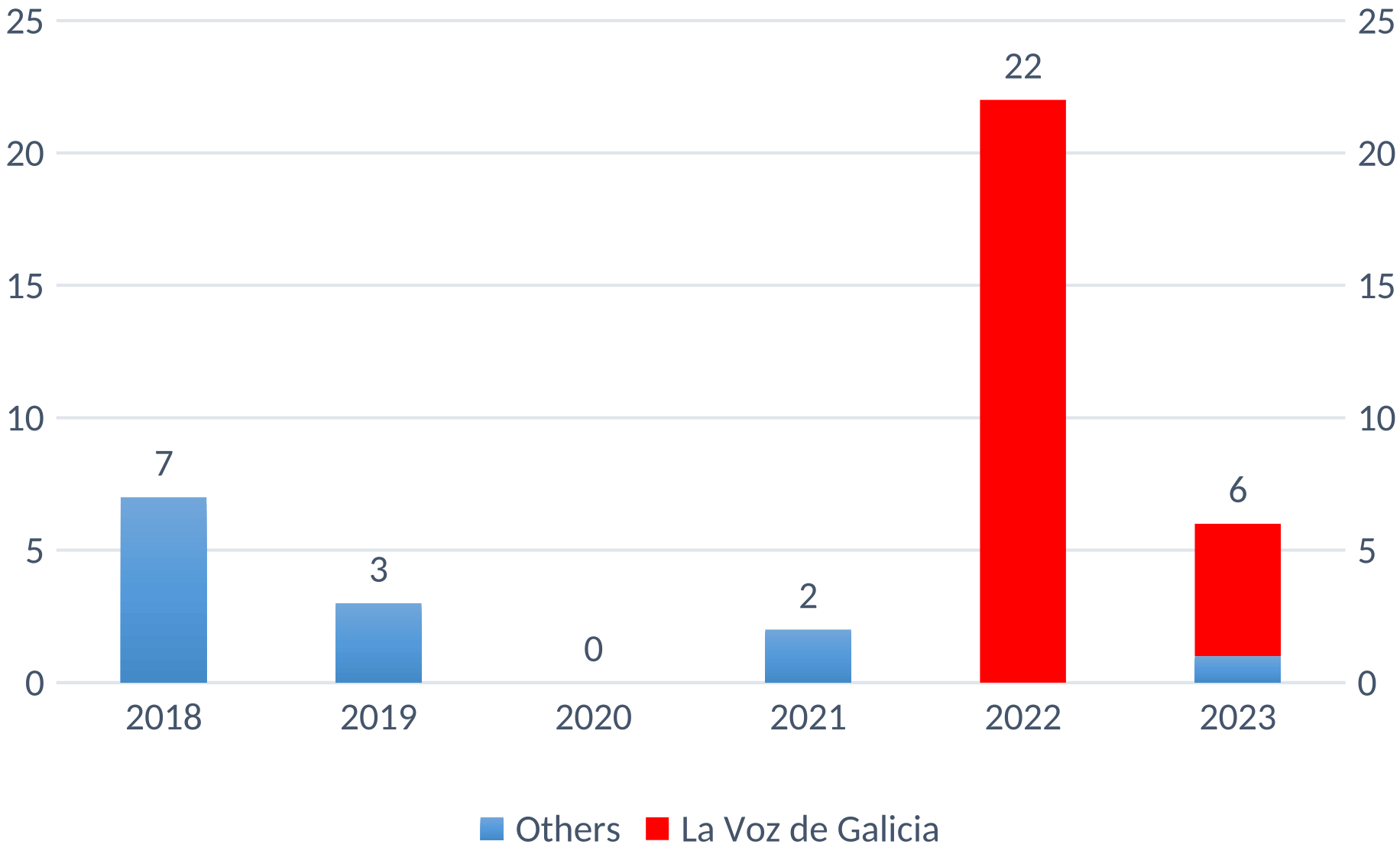
A case illustrating the combined presence of climate-related explanatory content and anticipatory information occurred in the summer of 2022, when an extreme heatwave affected large parts of Europe. Recent studies describe this event as exceptional in its intensity, duration and spatial extent, associated with persistent atmospheric conditions [Feser et al., 2024]. In this context, Weather Stories used the term ‘mega-heatwave’ to characterise these combined features. The term remains relatively unfamiliar in media discourse but was introduced in academic literature in 2011 to describe exceptionally intense, long-lasting and widespread high-temperature events [Barriopedro et al., 2011]. In this process, the expression ‘mega-heatwave’ functioned as a cognitive frame linking scientific terminology with the public’s lived experience of extreme heat. As Lakoff [2010] suggests, framing can provide a conceptual structure that helps to make complex phenomena more intelligible. La Voz de Galicia was the only Spanish newspaper to introduce the expression ‘mega-heatwave’ during that summer and the outlet that used it most frequently, registering the highest number of mentions since the term first appeared in the Spanish press in 2018 (see Figure 2).
A further distinctive feature of the Weather Stories coverage was the timing of the introduction of the term. In this case, ‘mega-heatwave’ was used while the event was still unfolding, rather than retrospectively, as observed in other outlets [Fonseca, 2023a]. By contrast, an article by Criado [2018] in El País referred to the 2017 mega-heatwave only after the publication of a scientific study analysing that episode [Sánchez-Benítez et al., 2018].
This anticipatory approach suggests the potential relevance of the Weather Stories model for explanatory climate journalism, as it can facilitate the real-time identification and communication of emerging phenomena. In this way, it can contribute to public understanding of extreme events and their climatic context, without implying direct effects on behaviour.
In this case, the media coverage went beyond merely citing the concept. It explained the scientific processes underlying the extreme heat episode, addressing the influence of atmospheric dynamics such as the jet stream and physical mechanisms including feedback loops, both of which contributed to the intensity of the event [Kim et al., 2024; Ripple et al., 2023; Fonseca, 2023b]. The depth and anticipatory nature of La Voz de Galicia’s coverage were enabled by the active participation of physicists from the Nonlinear Physics Group (GFNL) in the journalistic process. Their involvement supported the real-time identification of atmospheric anomalies, their interpretation within a coherent scientific narrative, and the consistent use of scientific terminology in an explanatory context. This structured collaboration appears to have supported earlier recognition and explanation of the phenomenon compared to other national outlets and to frame the event within a broader climatic context.
This case also illustrates what distinguishes Weather Stories from other forms of multidisciplinary science communication, such as The Conversation and the Science Media Centre. While The Conversation combines academic expertise with editorial processes to produce explanatory content, the Science Media Centre facilitates rapid access to expert commentary when science becomes news. Weather Stories, by contrast, operates through sustained and integrated collaboration embedded within daily news production. This structure allows for a more continuous, anticipatory and contextualised approach to communicating extreme weather events, aimed not only at explaining climate processes but also at anticipating extreme events and fostering public understanding of risk (see Table 1).
|
Criterion |
Weather Stories model |
The Conversation model |
Science Media Centre model |
|
Science-media relationship |
Direct integration in news production |
Scientists write with editorial support |
External platform; scientific advisors available on demand |
|
Editorial approach |
Educational, academic and preventive |
Educational, academic and reactive |
Educational, academic and reactive |
|
Frequency |
Daily and sustained |
Occasional; depends on author contributions |
Occasional; depends on media demand |
In this sense, the model aligns with research demonstrating that effective risk communication is a critical component of disaster risk reduction and early warning systems, especially when information is delivered in a timely and practical manner.
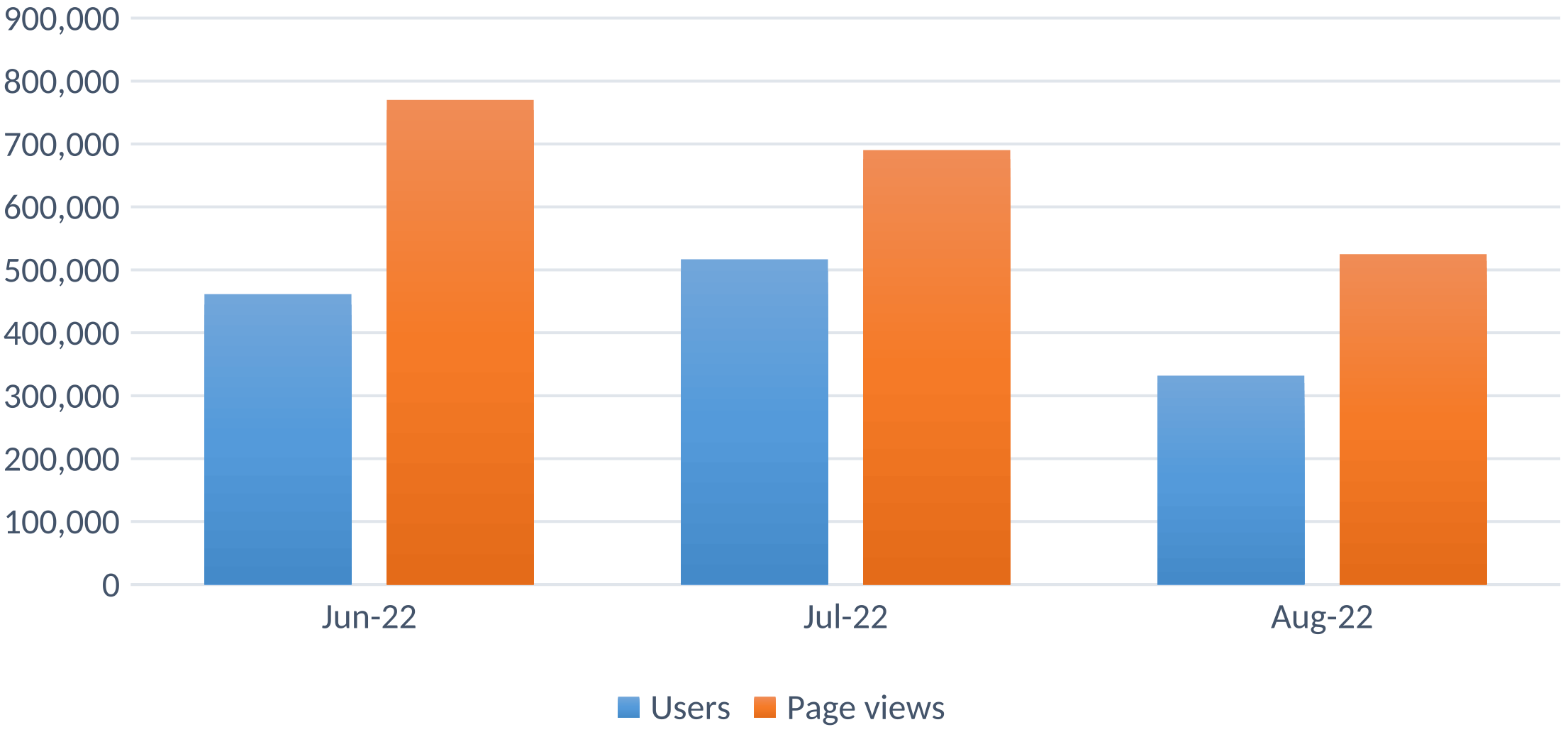
During the summer of 2022, when more than 60,000 people died in Europe due to extreme heat [Ballester et al., 2023], the Weather Stories section recorded over 1.3 million unique users and nearly 2-million-page views on the newspaper’s website (see Figure 3). These data, which correspond exclusively to La Voz de Galicia and to that specific period, reflect a high level of audience engagement with extreme weather coverage. However, this association should be interpreted with caution, as it does not establish a direct causal relationship between audience peaks and the scientific explanations provided.
4.2 Knowledge transfer from USC to La Voz de Galicia: the case of atmospheric rivers
This section analyses the journalistic coverage provided by Weather Stories on atmospheric rivers, long and narrow corridors of concentrated water vapour transport in the atmosphere that can produce intense precipitation when they make landfall. The warming of the atmosphere is increasing both the frequency and intensity of the impacts associated with these phenomena [Payne et al., 2020; Wang et al., 2023], highlighting the relevance of anticipatory communication in the journalistic coverage of extreme events.
The concept was introduced into Spanish academic literature by researchers from the GFNL in 2014 [Eiras-Barca et al., 2014]. That study reported that approximately 90% of extreme precipitation events in north-western Spain coincided with the presence of these systems. That same year, La Voz de Galicia incorporated the term into its journalistic coverage of Storm Margit, which reached the Iberian Peninsula in October 2014 with tropical moisture and caused significant rainfall [Palmás et al., 2014; Urgorri & Fonseca, 2014], thus contributing to the introduction of the concept in the Spanish press (see Figure 4).
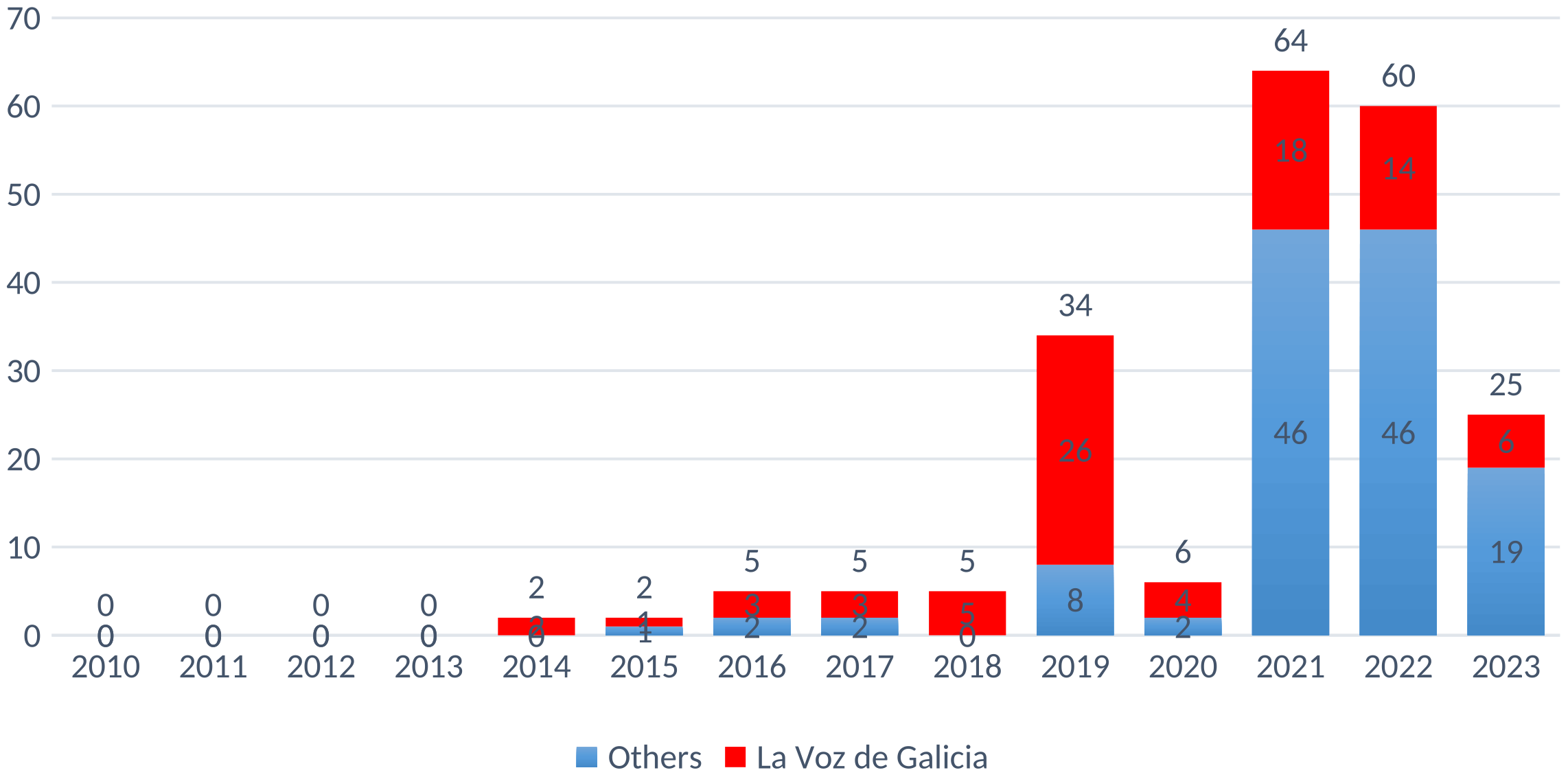
Notably, the first mention by another Spanish outlet appeared in 2015, when ABC cited a GFNL researcher [Nieves, 2015], while El País did not reference the concept until 2017 and did so without further explanation. This early adoption is relevant because naming a phenomenon may support its interpretation as a climate-related risk and provide a framework through which audiences can understand episodes of extreme rainfall within broader atmospheric processes [van der Linden, 2015].
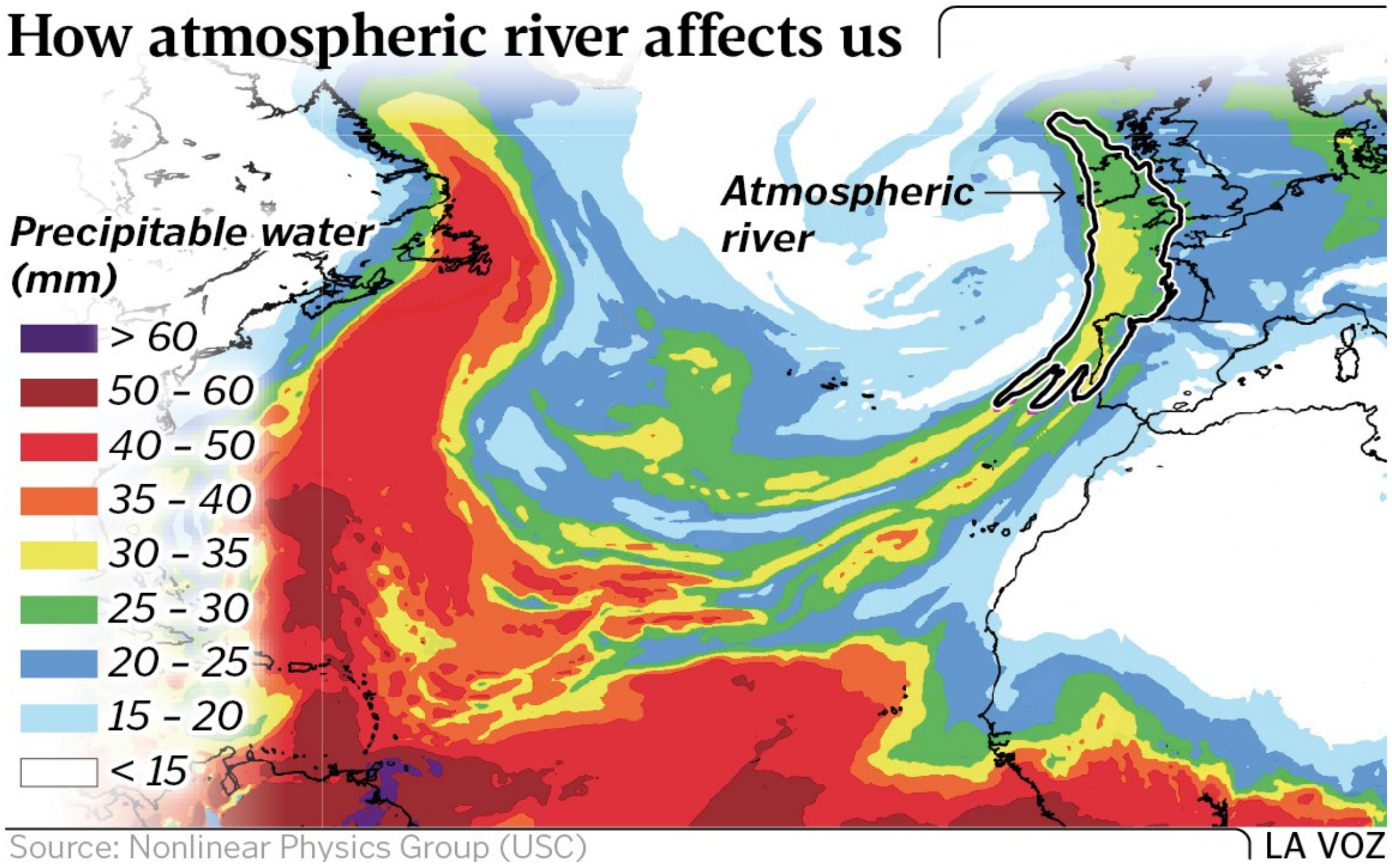
La Voz de Galicia not only introduced the term ‘atmospheric river’ into Spanish press coverage but also gave it the greatest and most sustained visibility throughout the period analysed. This continuity was supported by the incorporation of scientific analyses generated by the GFNL into the newspaper’s editorial workflow, allowing the concept to be used not only to describe atmospheric phenomena but also to anticipate and contextualise episodes of extreme rainfall. For example, on October 25, 2022, La Voz de Galicia published an article titled A tropical moisture current will bring heavy rains to Galicia [Fonseca, 2022], which anticipated an episode of intense rainfall associated with an atmospheric river detected by the GFNL detection system (see Figure 5). This example illustrates how scientific knowledge can be integrated into routine news production to support the anticipatory and explanatory communication of extreme weather events.
5 Discussion and conclusions
This practice insight set out to evaluate how sustained collaboration between journalism and scientific institutions can function as a form of multidisciplinary communication supporting climate literacy and risk understanding. In this context, we propose the concept of multidisciplinary journalism as a potential contribution to climate change adaptation through communication. This concept emphasises not simply collaboration between journalists and scientists, but the long-term integration of scientific expertise into editorial routines, allowing scientific knowledge to be incorporated continuously rather than only when science becomes news.
Using the case of Weather Stories, a daily publication of La Voz de Galicia developed in collaboration with physicists from the University of Santiago de Compostela, we evaluate a model integrated into the newspaper’s editorial workflow and oriented towards the anticipatory communication of extreme events. Collaborative initiatives such as Weather Stories represent hybrid forms of science communication that incorporate scientific knowledge into journalistic environments [Ginosar et al., 2024].
The findings from the evaluation suggest that this type of collaboration enables the early incorporation of scientific concepts into news coverage and supports a more anticipatory and explanatory approach to extreme events. In particular, the introduction and contextualisation of terms such as ‘mega-heatwave’ and ‘atmospheric river’ illustrate how scientific knowledge can be integrated into journalistic narratives in real time.
The distinctiveness of this model lies in the way scientific knowledge is embedded within everyday journalistic routines. Unlike academic explanatory journalism, which is typically organised around individual researcher contributions [Bartleman et al., 2026], or models such as the Science Media Centre, which facilitate expert input when science becomes news, Weather Stories is based on sustained and integrated collaboration. This enables continuity, contextualisation and the progressive incorporation of complex scientific concepts into public discourse.
The collaboration between La Voz de Galicia and the GFNL demonstrates how scientific expertise developed within a research institution can be translated into explanatory journalism and incorporated into the daily coverage of extreme weather events. The model does not replace the institutional role of AEMET, which remains the official authority responsible for weather warnings in Spain. Rather than duplicating these functions, Weather Stories provides complementary explanatory content that supports climate literacy and facilitates the transfer of university-based research into publicly accessible information.
The GFNL has developed specialised expertise and detection tools for atmospheric rivers that are not currently incorporated into operational warning systems. Through Weather Stories, these scientific advances are translated into explanatory narratives that complement institutional risk communication. This sustained collaboration illustrates how scientific expertise embedded within newsroom routines can support not only the interpretation of extreme events but also their contextualisation within the physical processes underlying climate variability and climate change, contributing to anticipatory risk communication based on scientific analysis.
While the evaluation does not demonstrate direct behavioural effects, it suggests that this form of communication may support public understanding of climate-related risks. More broadly, this practice insight contributes to ongoing debates on bridging research and practice in science communication [Fischer et al., 2024], suggesting that sustained journalistic initiatives developed in collaboration with scientists can generate empirical insights and inform transferable models of multidisciplinary communication.
Finally, this evaluation contributes to emerging lines of research examining the explanatory functions of journalism and the role of science communication in supporting public understanding of complex societal challenges [Nisbet & Fahy, 2015]. It also highlights the need for further research on anticipatory forms of science-based reporting oriented towards risk communication and preparedness. Although the present evaluation does not measure changes in public attitudes or behaviour, it provides a structured basis for future empirical work on the role of anticipatory journalism in shaping public understanding, preparedness and risk perception. In this sense, the model analysed here may offer a transferable framework for integrating scientific expertise into the daily coverage of climate risks in other media contexts.
6 Limitations and future research
The evaluation did not measure the impact of Weather Stories on public risk perception. Future research will examine how this multidisciplinary journalism model influences public understanding and preparedness. This line of work is being developed through the AR-SCALE Project, which will apply an atmospheric river intensity scale and assess its effects on risk perception.
Finally, the selection criteria for media outlets may have influenced the results, as the comparative evaluation focused on traditional news media outlets with accessible archives. The findings therefore reflect how established Spanish newspapers incorporated scientific terminology rather than providing a comprehensive view of all digital media.
Acknowledgments
The authors wish to thank the Nonlinear Physics Group at the University of Santiago de Compostela for its ongoing scientific collaboration and La Voz de Galicia for providing audience data and supporting this unique case of cooperation between journalism and science over the years.
Declaration of conflicts of interest
The authors declare no conflict of interest with respect to the research, authorship, and/or
publication of this article.
Funding
This research did not receive any specific grant from funding agencies in the public, commercial,
or not-for-profit sectors.
References
-
AIMC. (2026). Estudio General de Medios (EGM). Audiencia de diarios. Asociación para la Investigación de Medios de Comunicación. https://reporting.aimc.es/index.html
-
Ballester, J., Quijal-Zamorano, M., Méndez Turrubiates, R. F., Pegenaute, F., Herrmann, F. R., Robine, J. M., Basagaña, X., Tonne, C., Antó, J. M., & Achebak, H. (2023). Heat-related mortality in Europe during the summer of 2022. Nature Medicine, 29(7), 1857–1866. https://doi.org/10.1038/s41591-023-02419-z
-
Barriopedro, D., Fischer, E. M., Luterbacher, J., Trigo, R. M., & García-Herrera, R. (2011). The hot summer of 2010: redrawing the temperature record map of Europe. Science, 332(6026), 220–224. https://doi.org/10.1126/science.1201224
-
Bartleman, M., Dubois, E., & Macdonald, I. (2026). A framework for examining hybridity: the case of academic explanatory journalism. Convergence: the International Journal of Research into New Media Technologies, 32(4), 1436–1457. https://doi.org/10.1177/13548565241255044
-
Borchardt, A., Dunn, K., & Simon, F. M. (2023). Climate journalism that works: between knowledge and impact [EBU News Report 2023]. European Broadcasting Union. https://www.ebu.ch/news/2023/03/ebu-news-report-shows-how-to-deliver-climate-journalism-that-works
-
Boykoff, M. T., & Roberts, J. T. (2007). Media coverage of climate change: current trends, strengths, weaknesses. Human Development Report Office, United Nations Development Programme. https://hdr.undp.org/system/files/documents/boykoffmaxwellandrobertsjtimmons.pdf
-
Coughlan de Perez, E., Harrison, L., Berse, K., Easton-Calabria, E., Marunye, J., Marake, M., Murshed, S. B., Shampa & Zauisomue, E.-H. (2022). Adapting to climate change through anticipatory action: the potential use of weather-based early warnings. Weather and Climate Extremes, 38, 100508. https://doi.org/10.1016/j.wace.2022.100508
-
Criado, M. Á. (2018, March 13). La megaola de calor de 2017 convirtió la península ibérica en el norte de África. El País. https://elpais.com/elpais/2018/03/10/ciencia/1520706270_981374.html
-
Eiras-Barca, J., Taboada, J. J., & Miguez-Macho, G. (2014). Impacto meteorológico de los ríos atmosféricos en las precipitaciones anómalas de Galicia. Avances en Ciencias de la Tierra, 5, 10–22. https://dialnet.unirioja.es/servlet/articulo?codigo=5511803
-
Fakhruddin, B., Clark, H., Robinson, L., & Hieber-Girardet, L. (2020). Should I stay or should I go now? Why risk communication is the critical component in disaster risk reduction. Progress in Disaster Science, 8, 100139. https://doi.org/10.1016/j.pdisas.2020.100139
-
Farré i Coma, J. (2022). La comunicació del canvi climàtic: del desastre al risc. Quaderns del CAC, 48, 17–25. https://dialnet.unirioja.es/servlet/articulo?codigo=8634203
-
Feser, F., van Garderen, L., & Hansen, F. (2024). The summer heatwave 2022 over western Europe: an attribution to anthropogenic climate change. Bulletin of the American Meteorological Society, 105(11), E2175–E2179. https://doi.org/10.1175/BAMS-D-24-0017.1
-
Fischer, L., Barata, G., Scheu, A. M., & Ziegler, R. (2024). Connecting science communication research and practice: challenges and ways forward. JCOM, 23(02), E. https://doi.org/10.22323/2.23020501
-
Fleerackers, A., Riedlinger, M., Bruns, A., & Burgess, J. (2024). Academic explanatory journalism and emerging COVID-19 science: how social media accounts amplify The Conversation’s preprint coverage. Media International Australia, 192(1), 130–149. https://doi.org/10.1177/1329878x221145022
-
Fonseca, X. (2022, October 26). Una corriente de humedad tropical descargará lluvias intensas en Galicia. La Voz de Galicia. https://www.lavozdegalicia.es/noticia/sociedad/2022/10/18/rios-humedad-tropical-elevan-alerta-lluvias-galicia/00031666088080490428481.htm
-
Fonseca, X. (2023a, March 7). Europa se enfrenta esta semana a un atípico evento meteorológico, una megaola de calor. La Voz de Galicia. https://www.lavozdegalicia.es/noticia/sociedad/2022/07/12/europa-enfrenta-semana-atipico-evento-meteorologico-megaola-calor/00031657644473670143346.htm
-
Fonseca, X. (2023b, October 9). Un nuevo patrón atmosférico genera olas de calor más intensas en Galicia. La Voz de Galicia. https://www.lavozdegalicia.es/noticia/sociedad/2022/07/13/nuevo-patron-atmosferico-genera-olas-calor-intensas-galicia/00031657731013681784894.htm
-
Ginosar, A., Zimmerman, I., & Tal, T. (2024). Peripheral science journalism: scientists and journalists dancing on the same floor. Journalism Practice, 18(4), 918–937. https://doi.org/10.1080/17512786.2022.2072368
-
Hase, V., Mahl, D., Schäfer, M. S., & Keller, T. R. (2021). Climate change in news media across the globe: an automated analysis of issue attention and themes in climate change coverage in 10 countries (2006–2018). Global Environmental Change, 70, 102353. https://doi.org/10.1016/j.gloenvcha.2021.102353
-
IPCC. (2022a). Climate change 2022: impacts, adaptation and vulnerability. Contribution of Working Group II to the Sixth Assessment Report of the Intergovernmental Panel on Climate Change (H.-O. Pörtner, D. C. Roberts, M. M. B. Tignor, E. Poloczanska, K. Mintenbeck, A. Alegría, M. Craig, S. Langsdorf, S. Löschke, V. Möller, A. Okem & B. Rama, Eds.). Cambridge University Press. https://doi.org/10.1017/9781009325844
-
IPCC. (2022b). Climate change 2022: impacts, adaptation and vulnerability. Contribution of Working Group II to the Sixth Assessment Report of the Intergovernmental Panel on Climate Change. Annex II: Glossary (V. Möller, R. van Diemen, J. B. R. Matthews, J. S. Fuglestvedt, C. Méndez, A. Reisinger & S. Semenov, Eds.). Cambridge University Press. https://doi.org/10.1017/9781009325844.029
-
IPCC. (2023). Climate change 2023: synthesis report. Contribution of Working Groups I, II and III to the Sixth Assessment Report of the Intergovernmental Panel on Climate Change (H. Lee & J. Romero, Eds.). Intergovernmental Panel on Climate Change. https://doi.org/10.59327/ipcc/ar6-9789291691647
-
Jenkins, M. (2020). Evaluation of the Science Media Centre: final report. Ministry of Business, Innovation and Employment, New Zealand Government. https://www.mbie.govt.nz/assets/evaluation-of-the-science-media-centre-final-report-28-12-2020.pdf
-
Kim, J.-H., Nam, S.-H., Kim, M.-K., Serrano-Notivoli, R., & Tejedor, E. (2024). The 2022 record-high heat waves over southwestern Europe and their underlying mechanism. Weather and Climate Extremes, 46, 100729. https://doi.org/10.1016/j.wace.2024.100729
-
Lakoff, G. (2010). Why it matters how we frame the environment. Environmental Communication, 4(1), 70–81. https://doi.org/10.1080/17524030903529749
-
MITECO. (2020). Plan nacional de adaptación al cambio climático 2021–2030. Ministerio para la Transición Ecológica y el Reto Demográfico, Gobierno de España. https://www.miteco.gob.es/content/dam/miteco/images/es/pnacc-2021-2030_tcm30-512156.pdf
-
Morrison, M., Parton, K., & Hine, D. W. (2018). Increasing belief but issue fatigue: changes in Australian household climate change segments between 2011 and 2016. PLoS ONE, 13(6), e0197988. https://doi.org/10.1371/journal.pone.0197988
-
Nieves, J. M. (2015, June 10). Así se forman los “ríos atmosféricos”. ABC. https://www.abc.es/ciencia/20150610/abci-rios-atmosfericos-oceanos-201506101109.html
-
Nisbet, M. C., & Fahy, D. (2015). The need for knowledge-based journalism in politicized science debates. The ANNALS of the American Academy of Political and Social Science, 658(1), 223–234. https://doi.org/10.1177/0002716214559887
-
Noble, I. R., Huq, S., Anokhin, Y. A., Carmin, J., Goudou, D., Lansigan, F. P., Osman-Elasha, B., & Villamizar, A. (2014). Adaptation needs and options. In C. B. Field, V. R. Barros, D. J. Dokken, K. J. Mach, M. D. Mastrandrea, T. E. Bilir, M. Chatterjee, K. L. Ebi, Y. O. Estrada, R. C. Genova, B. Girma, E. S. Kissel, A. N. Levy, S. MacCracken, P. R. Mastrandrea & L. L. White (Eds.), Climate change 2014: impacts, adaptation, and vulnerability. Part A: Global and sectoral aspects. Contribution of Working Group II to the Fifth Assessment Report of the Intergovernmental Panel on Climate Change (pp. 833–868). Cambridge University Press. https://www.ipcc.ch/site/assets/uploads/2018/02/WGIIAR5-Chap14_FINAL.pdf
-
Palmás, R., Barral, C., Penide, L., & Fonseca, X. (2014, October 17). «Margit» empapa toda la comarca. La Voz de Galicia. https://www.lavozdegalicia.es/noticia/pontevedra/2014/10/17/margit-empapa-comarca/0003_201410P17C2991.htm
-
Payne, A. E., Demory, M.-E., Leung, L. R., Ramos, A. M., Shields, C. A., Rutz, J. J., Siler, N., Villarini, G., Hall, A., & Ralph, F. M. (2020). Responses and impacts of atmospheric rivers to climate change. Nature Reviews Earth & Environment, 1(3), 143–157. https://doi.org/10.1038/s43017-020-0030-5
-
Poortinga, W., Demski, C., & Steentjes, K. (2023). Generational differences in climate-related beliefs, risk perceptions and emotions in the UK. Communications Earth & Environment, 4, 229. https://doi.org/10.1038/s43247-023-00870-x
-
Ripple, W. J., Wolf, C., Lenton, T. M., Gregg, J. W., Natali, S. M., Duffy, P. B., Rockström, J., & Schellnhuber, H. J. (2023). Many risky feedback loops amplify the need for climate action. One Earth, 6(2), 86–91. https://doi.org/10.1016/j.oneear.2023.01.004
-
Saladie, N., Llorente, C., & Revuelta, G. (2025). A scoping review on the connection between research and practice in science communication. JCOM, 24(05), V01. https://doi.org/10.22323/145520250811182624
-
Sánchez-Benítez, A., García-Herrera, R., Barriopedro, D., Sousa, P. M., & Trigo, R. M. (2018). June 2017: the earliest European summer mega-heatwave of reanalysis period. Geophysical Research Letters, 45(4), 1955–1962. https://doi.org/10.1002/2018gl077253
-
Schäfer, M. S., & Painter, J. (2021). Climate journalism in a changing media ecosystem: assessing the production of climate change-related news around the world. WIREs Climate Change, 12(1), e675. https://doi.org/10.1002/wcc.675
-
Science Media Centre. (n.d.). https://www.sciencemediacentre.org/
-
Spence, A., Poortinga, W., & Pidgeon, N. (2012). The psychological distance of climate change. Risk Analysis, 32(6), 957–972. https://doi.org/10.1111/j.1539-6924.2011.01695.x
-
UNFCCC. (2015). The Paris Agreement. https://unfccc.int/process-and-meetings/the-paris-agreement
-
Urgorri, A., & Fonseca, X. (2014, October 21). El aire africano dispara las temperaturas. La Voz de Galicia. https://www.lavozdegalicia.es/noticia/galicia/2014/10/21/aire-africano-dispara-temperaturas/0003_201410G21P14991.htm
-
van der Linden, S. (2015). The social-psychological determinants of climate change risk perceptions: towards a comprehensive model. Journal of Environmental Psychology, 41, 112–124. https://doi.org/10.1016/j.jenvp.2014.11.012
-
Wang, S., Ma, X., Zhou, S., Wu, L., Wang, H., Tang, Z., Xu, G., Jing, Z., Chen, Z., & Gan, B. (2023). Extreme atmospheric rivers in a warming climate. Nature Communications, 14, 3219. https://doi.org/10.1038/s41467-023-38980-x
-
Young, M. L., & Hermida, A. (2020). The Conversation Canada: not-for-profit journalism in a time of commercial media decline. In E. Dubois & F. Martin-Bariteau (Eds.), Citizenship in a connected Canada: a research and policy agenda (pp. 119–134). University of Ottawa Press. https://doi.org/10.1515/9780776629261-008
About the authors
Xavier Fonseca Blanco. Science journalist and researcher specializing in climate change communication. Ph.D. from the University of Santiago de Compostela with a thesis on multidisciplinary journalism as a climate adaptation strategy, focusing on the collaboration between media and climate physicists. Creator and editor of the daily section Weather Stories in La Voz de Galicia, where he has covered extreme weather and climate phenomena, such as atmospheric rivers and mega-heatwaves, since 2010. Member of the Nonlinear Physics Group (GFNL) at USC. His work explores the intersection of science, media and society with a strong focus on climate literacy, open science, and the fight against misinformation.
E-mail: xfonbla@gmail.com
Gonzalo Miguez Macho holds a bachelor’s degree in Physics from USC and a Ph.D. in Meteorology from the University of Utah. He is currently a Professor of Physics at USC and a researcher in the Nonlinear Physics Group. He specializes in climate modeling. He is the author of numerous publications on the hydrological cycle and principal investigator of several national and European projects.
E-mail: gonzalo.miguez@usc.es
Damián Insua Costa is a postdoctoral researcher with a special interest in the hydrological cycle and its extremes, as well as its potential changes induced by global warming. During his Ph.D. in atmospheric physics in the GFNL, he studied the origin of humidity in more than 100 extreme precipitation events in the western Mediterranean. He continues to work in the field of precipitation origin studies, incorporating new techniques and observational data.
E-mail: damian.insuacosta@ugent.be