1 Introduction
In recent decades, large-scale scientific collaborations, with the construction of major research infrastructures, have played a crucial role in producing significant discoveries with global impact. These joint efforts, spanning a wide range of STEM (Science, Technology, Engineering, and Mathematics) disciplines, involve numerous young professionals who, through their dedication and growth within projects, make fundamental contributions to the experiments.
Emblematic examples include the work of CERN, which confirmed the existence of the Higgs boson through the Large Hadron Collider with the ATLAS [ATLAS Collaboration, 2012] and CMS experiments [CMS Collaboration, 2012]. A further significant achievement is the discovery of neutrino oscillation, made possible by two key experiments: Super-Kamiokande [Super-Kamiokande Collaboration, 1998] and SNO [SNO Collaboration, 2002] with other important contributions come from experiments conducted at the INFN Gran Sasso Laboratories, such as OPERA [OPERA Collaboration, 2014] and Borexino [Borexino Collaboration, 2018]. The discovery of gravitational waves by the LIGO, Virgo, and KAGRA Collaborations stands out as a further milestone [LIGO Scientific Collaboration & Virgo Collaboration, 2016; LIGO Scientific Collaboration et al., 2023]. These represent just a few of the remarkable breakthroughs that have shaped modern physics.
This article focuses on the national project ETIC (Einstein Telescope Infrastructure Consortium) [Einstein Telescope Italy, 2023, 2024a] which supports the development of a major European research infrastructure for gravitational wave detection: the Einstein Telescope (ET) [Punturo et al., 2010]. This state-of-the-art observatory will be capable of detecting gravitational waves with unprecedented precision, offering a deeper understanding of the sources and astrophysical processes that unfold in our Universe [Maggiore et al., 2020]. Gravitational waves are faint ripples in the fabric of spacetime, predicted by Einstein’s theory of General Relativity and observed thanks to the work of thousands of people from across the globe working together as part of the LIGO [LIGO Scientific Collaboration, 2015], Virgo [Virgo Collaboration, 2015] and KAGRA [KAGRA Collaboration, 2021] collaborations, collectively known as the LIGO-Virgo-KAGRA (LVK) Collaboration. Complementing these scientific achievements, the recent article by Middleton et al. [2024] discusses the range of engagement activities used to communicate LVK gravitational-wave discoveries.
The Einstein Telescope (ET) is an ambitious gravitational-wave detector designed to address significant technological, engineering, and sustainability challenges [Einstein Telescope Italy, 2024d]. Included in the ESFRI (European Strategy Forum on Research Infrastructures) roadmap since 2021 [Einstein Telescope Italy, 2022], ET represents a crucial large-scale infrastructure for the development of third-generation gravitational-wave observatories.
The primary technological challenges include extreme precision lasers, massive ultra-high vacuum systems, advanced optics and optical metrology, cryogenic cooling, sophisticated control algorithms, data handling and processing, and precision mechanics. The expected scientific outcomes span breakthroughs in fundamental physics to advancements in multi-messenger astrophysics. Researchers aim to deepen our understanding of gravity, explore matter under extreme conditions, perform highly precise tests of General Relativity, and detect gravitational waves in conjunction with other cosmic signals — such as electromagnetic and astro-particle emissions [Einstein Telescope Collaboration, 2026].
In this context, the Einstein Telescope Infrastructure Consortium (ETIC) is a consortium established and funded under Mission 4 of the National Recovery and Resilience Plan (PNRR). ETIC is currently focused on preparing and executing the feasibility study and site characterization for one of the proposed candidate sites of the Einstein Telescope, the disused Sos Enattos mine in Sardinia, Italy. Concurrently, a network of research laboratories is being established to address the technological challenges posed by the ET project. In addition to the site in Sardinia, two other European locations have submitted applications to host the ET: the Euregio Meuse-Rhine (EMR),1 a cross-border region where Belgium, Germany, and the Netherlands intersect, and Lusatia, located in Germany [ET Euregio Meuse-Rhine, 2024].
Here, we provide practical insights into ETIC’s communication strategy, emphasizing the pivotal role of early-career researchers (ECRs) in preparing for the Einstein Telescope. This approach underscores both the vital contributions of ECRs to public engagement; [Milugo et al., 2023; Ahmed et al., 2021] and the complexity of the scientific experiments, which span a wide range of STEM disciplines [Marín-Marín et al., 2021; Ishmuradova et al., 2023].
The Public Communication of Science and Technology (PCST) strategy is implemented through the establishment of a connection between early-career researchers (ECRs) and the communication office, within the broader context of social media and public engagement with science [Kahle et al., 2016; Le Boulicaut Ennis, 2025].
To facilitate this connection and enable ECRs to actively contribute to communication efforts, we developed a dedicated internal tool: the ETIC STEM Engagement Platform. This platform represents an experimental component of our communication strategy, designed to empower researchers to share engaging multimedia content that highlights their work, which is then made available to the communications office.
In this article, we present the rationale, structure, and implementation of the ETIC STEM Engagement Platform (section 2), highlighting how it supports collaboration between scientists and communicators, how it is used in practice (section 3), and the communication results it has enabled — particularly in the production of focus articles and to develop campaign materials (section 4).
A distinctive feature of the platform is its conception as a support tool for science communication, rather than as an end-stage outreach product. It is made available as an open science communication tool on GitHub,2 with the aim of encouraging reuse, adaptation, and collaborative development by other institutions and research projects.
2 Building the ET Generation: video interviews and brand identity
The initial phase of the communication strategy involves conducting voluntary interviews with newly hired staff from the ETIC project. Participants who agreed to take part subsequently signed a release form authorizing the publication of their interviews, in full compliance with privacy regulations.
The primary aim of the interview series was to humanize science by highlighting the personal experiences, motivations, and career trajectories of early-career researchers involved in the Einstein Telescope project. This approach is grounded in established best practices for science communication, which emphasize the value of personal storytelling in creating emotional connections between scientists and publics [see Joubert et al., 2019, and references therein].
The interviews with newly hired members of the ETIC project were conducted in person during the meeting ET Science and Technology in Italy, held in Assisi (PG, Italy), from February 20 to 23, 2024 [Einstein Telescope Italy, 2024c]. Prior to the in-person interviews, a series of online preparatory meetings were organized, allowing the interviewees to familiarize themselves with the objective of the communication initiative. These preparatory steps helped establish a clear framework for the interviews, allowing for smoother and more structured interactions during the event. The in-person interviews allowed the researchers to express their experiences and insights more naturally, leading to rich, spontaneous conversations. At the time of the interview, participation included 23 of the 33 ETIC ECRs (total), with more researchers gradually joining the initiative as the project progressed. In terms of disciplinary backgrounds, 20 of the participants were physicists with expertise ranging from high-energy physics to gravitational-wave detector development, and 13 had an engineering background — including environmental, civil, mechanical, materials engineering, and architecture.
2.1 Video editing
The video content was later edited to remove pauses and improve the overall flow. English subtitles were added to make the interviews accessible to an international audience, as the original recordings were primarily conducted in Italian.
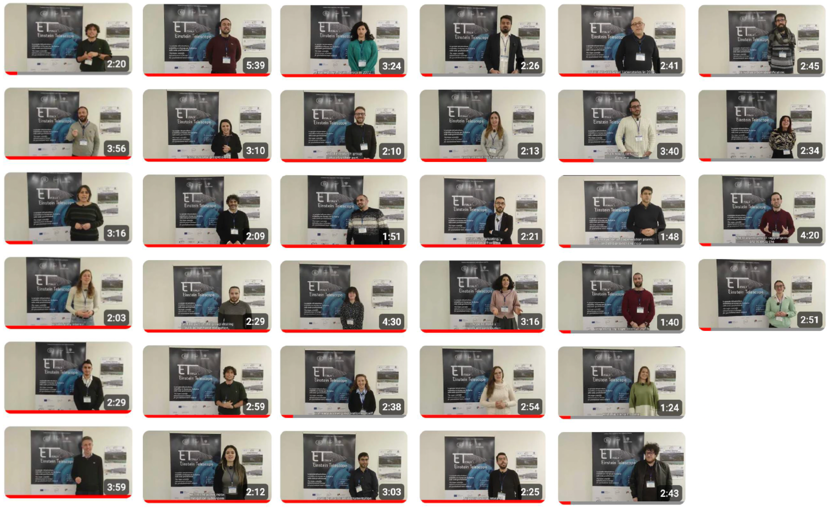
A total of 33 participants took part in the interviews published on the ET Italia YouTube channel3 [Einstein Telescope Italy, 2024b]. The interviews range in duration from one to six minutes, offering a concise yet informative overview of each participant’s insights.
All participants respond to the same set of questions, which appear on-screen as scrolling panels that divide the interview into clear thematic sections: 1) What is your name, and where do you work? 2) Could you tell us about your previous experiences? 3) What motivated you to join the ET project? 4) What is your role in the ETIC project? What are your objectives and what skills do you aim to acquire?
2.2 Visual identity
Following the development of the interviews, we focused on creating a cohesive visual identity to provide a unified framework for the initiative. A custom logo was designed as a cornerstone of the ETIC project’s science communication initiative, “ET Generation”, entirely focused on representing and valuing the role of ECRs. As shown the left panel in Figure 1, the logo encapsulates the spirit and purpose behind the initiative, ensuring a consistent and recognizable representation across all communication materials. The right panel of Figure 1 displays the playlist available on the YouTube channel @ET Italia.
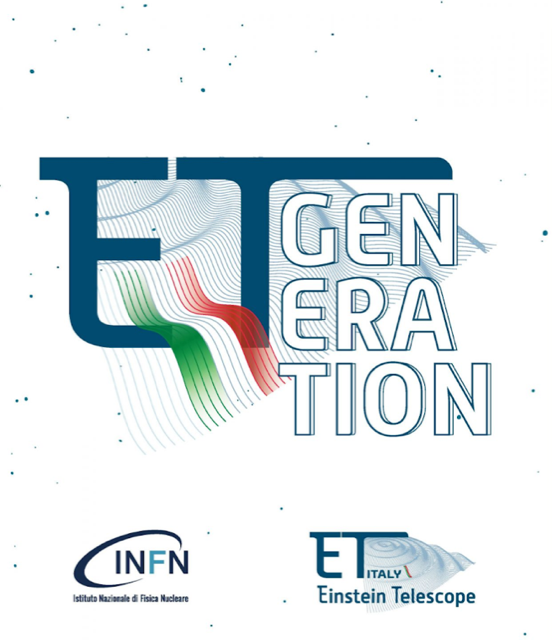
This design emphasizes the vital role of the next generation of scientists in advancing the project while establishing a unified visual identity across diverse communication channels, such as videos, social media, and publications.
The visual identity encourages to present seasonal activities in a cohesive and recognizable manner, such as sharing festive greetings on behalf of ET Generation. These initiatives enhance the project’s outreach by fostering straightforward and engaging connections with the audience.
Here we provide two specific examples: the ET Generation Seasonal Greetings video, available on the YouTube channel @ETItalia: Happy 2025 from ET Generation!,4 and the video interviews launched on the social platform Instagram with the hashtag #ETgeneration. As of April 9, 2025, the Seasonal Greetings video is the most viewed on @ETItalia, featured in the “Popular” section of the channel.
3 ETIC STEM Engagement Platform: from participant contributions to content creation
Throughout the conversations with participants, a variety of intricate concepts and domain-specific terms naturally emerged. Based on these dialogues, we extracted a set of key topics using the method described in section 3.1. Participants were then invited to contribute multimedia materials or textual explanations related to these topics, using the ETIC STEM Engagement Platform presented in section 3.2. Finally, the submitted materials (section 3.3) were enhanced by the communication office, resulting in a series of publicly accessible articles and media outputs — see section 4.
3.1 Extraction of STEM topics from interviews
To support the extraction of emergent topics from the interviews, we developed a Retrieval-Augmented Generation (RAG) pipeline. RAG is a hybrid framework that combines a retriever component with a generative language model, enabling the system to generate contextually grounded outputs by conditioning generation on external information [Lewis et al., 2020]. In our implementation, each interview was processed as a single document, converted into semantic embeddings, and indexed in a vector database. A semantic query was then used to prompt the model to extract a list of relevant keywords. While the RAG system provided a preliminary set of candidate terms, these outputs were not used as-is: each set of keywords was systematically reviewed and refined by the science communication team through direct listening and interpretation of the interview recordings. This human-in-the-loop step was essential to ensure the relevance and accuracy of the extracted content.
The system is also structured to handle semantic queries across multiple documents, enabling the identification of shared or recurring content. The complete source code is available on GitHub at: https://l.infn.it/notebook-rag.
3.2 Structured page generation and researcher-driven content contribution
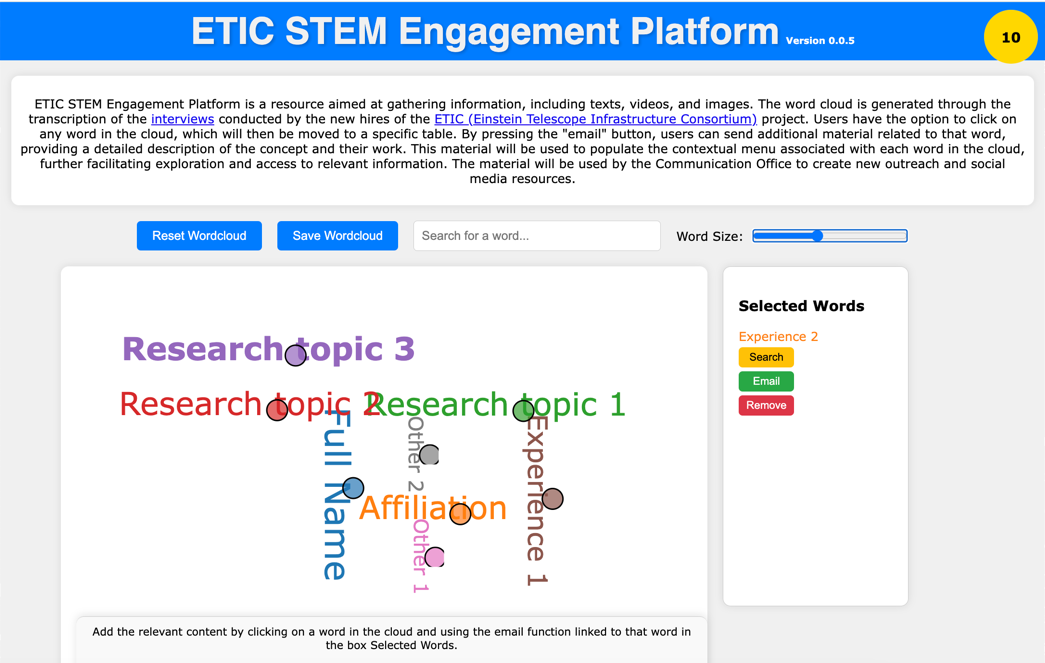
The ETIC STEM Engagement Platform constitutes an innovative digital tool designed to generate interactive and personalized HTML pages for individual researchers. These pages are constructed based on thematic keywords extracted from interview transcripts and subsequently organized as structured data (see section 3.1). The platform represents a potential advancement in the digital facilitation of science communication, as it replaces unstructured outputs with coherent, data-driven narratives. Each interactive page features editable thematic blocks aligned with the most salient concepts emerging from the interviews. Through this interface, researchers can add descriptive text, multimedia content (such as images, videos, or documents), and contextual notes to each topic. The result is a structured, topic-focused workspace, enabling clear organization and targeted elaboration of personal research experiences.
This design allows participants to engage actively with their own scientific narratives by reflecting on and expanding key concepts and activities related to their research. Through the personalized interface, they can contribute enriched content — including descriptive text and multimedia — directly to a central database. In doing so, they help streamline communication both internally, among colleagues, and externally, as part of broader outreach efforts. The structure of the tool also supports content archiving, systematic project documentation, and facilitates thematic discussions within a unified and coherent framework.
A distinctive feature of this system is its promotion of a friendly and informal data collection process, which encourages researchers to share their experiences in a genuine and approachable manner. Final publication and external dissemination of the collected material are revised and curated by trained communication professionals within the collaboration, ensuring consistency, quality, and alignment with the overarching public engagement strategy.
As shown in Figure 2, the user interface is intuitive and clean, allowing for seamless interaction with the personalized content blocks. A submission counter is displayed in the top-right corner to encourage participation and track individual contributions.
More than 60% of interviewees engaged with the platform to upload their materials. A tutorial video demonstrates its use in practice.5
3.3 Illustrative examples of submitted contributions
The materials submitted through this process are largely informal and not part of official project documentation, representing a unique and original resource that captures the everyday work of early-career researchers.
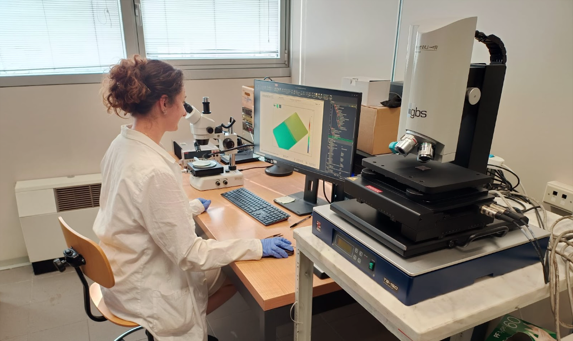
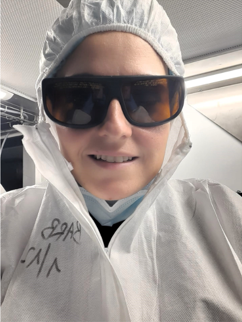
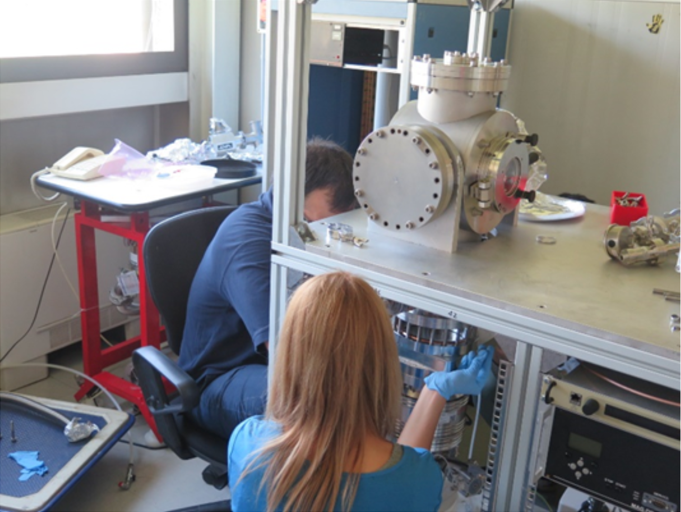
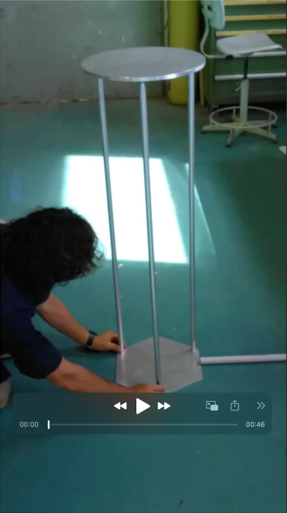
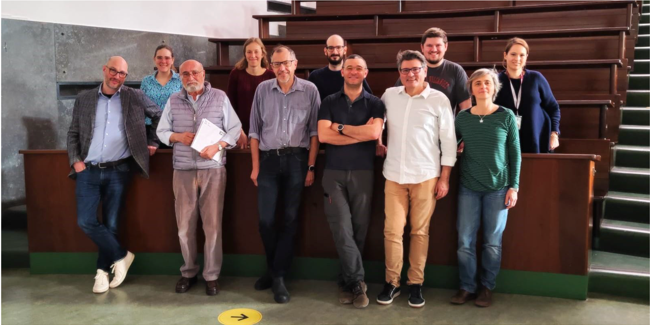
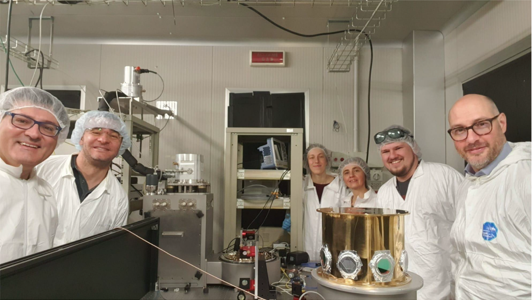
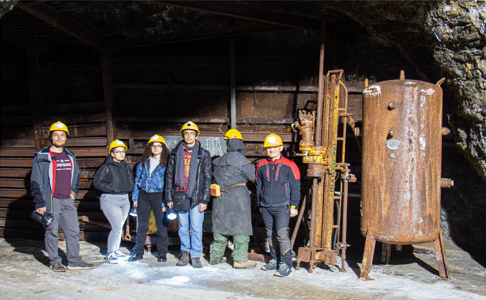
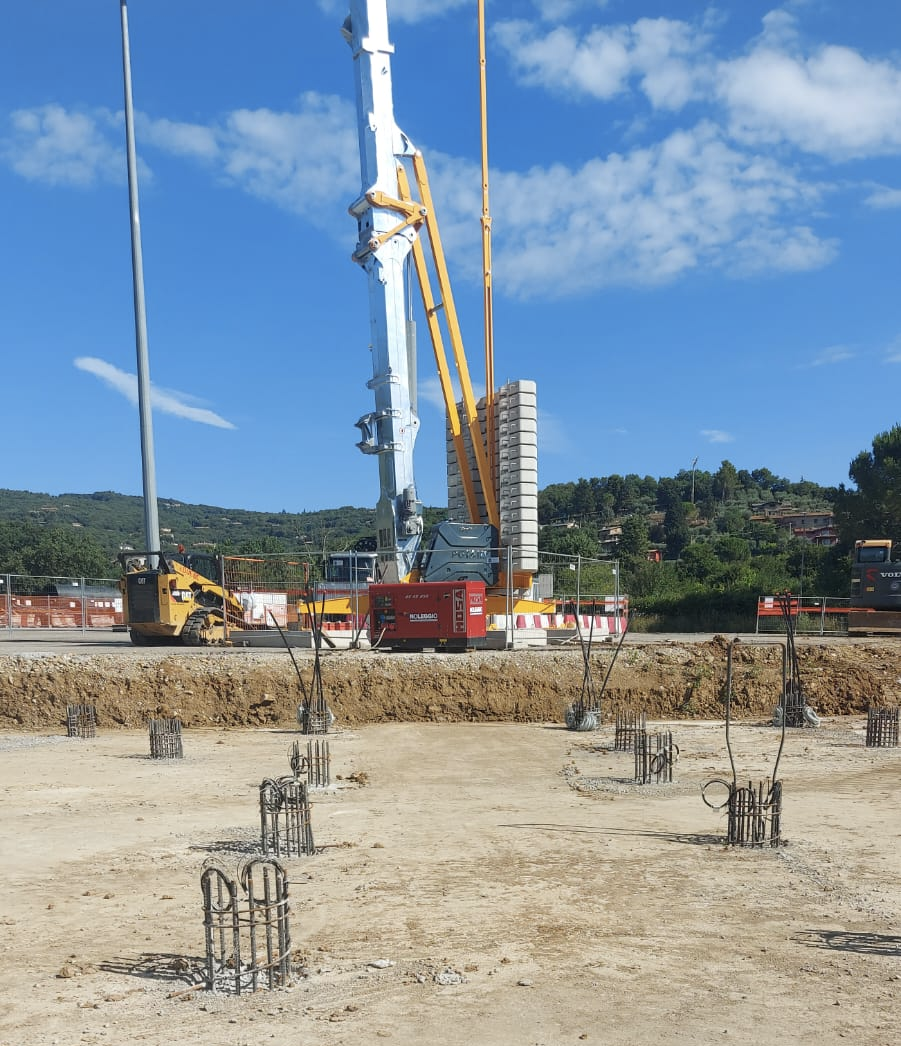
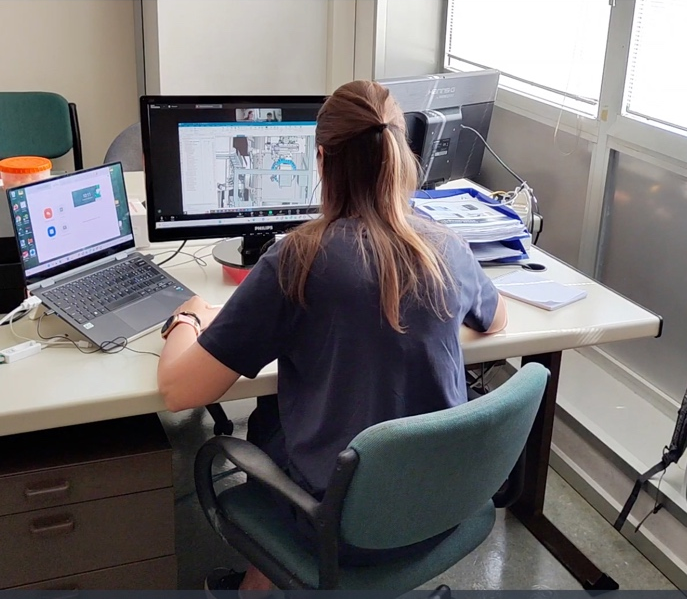
In this subsection, we present some of the most significant examples of resources gathered through the ETIC STEM Engagement Platform. This heterogeneous collection of contributions reflects the creativity, dedication, and innovation of the researchers involved, as well as their ability to collaborate effectively and function as a cohesive group. These materials further emphasize the strong connection that researchers have with the surrounding environment in which they operate, demonstrating how their scientific work intertwines with local realities and contributes to community growth. The first collection of images, presented in Figure 3, showcases researchers actively engaged in their daily work within their respective laboratories, capturing the dynamic environments where scientific exploration unfolds. Many researchers submitted photos of their workgroups to highlight the team spirit and the crucial role of collaboration in achieving shared goals. The images collected in Figure 4 emphasize each team member’s contributions, underscoring that the project’s success stems from a collective commitment and ongoing cooperation. Figure 5 illustrates key activities involved in the construction and setup of the ETIC laboratories, including CAOS (Center for Applications on Gravitational Waves and Seismology) and CoMET (Coating Materials for Einstein Telescope).
4 Sharing and promoting thematic content
The collected materials from ECRs were organized into thematic areas to generate focused contributions, which were subsequently published in the “Stories” section6 of the ET Italia website and disseminated through various social media channels.
The main stories published to date are accessible through the links listed below. Each contribution was developed using the collected material from the ETIC STEM Engagement Platform and reflects the personal perspectives and research experiences of early-career researchers. These articles, organized around thematic areas, aim to enhance public understanding of the scientific process, while also highlighting the social, technical, and collaborative dimensions of the Einstein Telescope initiative.
- A digital twin for Einstein Telescope. Elena Licciardello (INFN-LNS), BIM (Building Information Modeling) specialist, describes the use of digital modelling (BIM) in ET’s design. Her work highlights the role of early-career researchers in integrating technical tools for planning, monitoring, and optimizing the infrastructure through a digital twin [Nobile, 2024a]
- A geodetic network to monitor ET. Monica Marzario (Sapienza University) explains the setup of a geodetic reference network, mainly based on permanent GNSS stations (Global Navigation Satellite System), strategically distributed near the site. These stations provide a set of known and precise coordinates, forming the foundation for all high-precision geodetic surveys required for positioning and monitoring the infrastructure [Nobile, 2024b].
- The computing challenges of ET. Early-career researchers at INFN Turin contribute to the development of CTLab4ET (Computing Technology Laboratory for Einstein Telescope), focused on future computing systems for ET. Activities include evaluating emerging technologies, minimizing environmental impact, and testing data distribution tools like Rucio — critical to manage ET’s global-scale data flow [Nobile, 2024c].
- Reducing noise to listen to the universe. Young researchers in Genoa and Rome contribute to reducing quantum, thermal, seismic, and magnetic noise in ET. Their work includes optical squeezing, cryogenic mirror development, aberration correction, and magnetic shielding — key technologies to enhance sensitivity for gravitational wave detection [Nobile, 2025a].
- From underground to surface: the architecture of Einstein Telescope. Young researchers from the University of Cagliari, through Lab AT, explore how ET’s underground infrastructure can harmonize with its landscape and community. Their work promotes inclusive, sustainable architectural solutions — linking scientific spaces with public outreach and regional regeneration [Nobile, 2025b].
- Silent mirrors for Einstein Telescope. Researchers from the Universities of Padua and Bologna, including Ph.D. student Sara Cepić, are developing ultra-low-noise optical coatings for ET mirrors. Their work at CoMET (Coating Materials for Einstein Telescope) and in thin-film deposition advances material design for cryogenic interferometry, critical to reducing thermal and optical noise [Nobile, 2025c].
These materials have also been disseminated through the ET Italy social media channels and presented as contributions at symposia and meetings of the international Einstein Telescope collaboration.
5 Discussions and conclusions
The ETIC STEM Engagement Platform provides a compelling example of how a community-driven and research-oriented digital infrastructure can empower early-career researchers to actively contribute to science communication. Originally developed as a back-end tool within the ETIC project, it was designed to support internal communication workflows between ECRs and the communication staff.
The ETIC STEM Engagement Platform facilitates researcher participation, content organization, and collaboration between scientists and communication professionals. Its design promotes a user-friendly and informal environment that encourages authentic storytelling, while maintaining high content standards through editorial oversight by trained science communication professionals.
This digital infrastructure aligns with a broader context in which public engagement is increasingly recognized as an integral part of scientific work, particularly within large-scale collaborations. The ETIC STEM Engagement Platform embodies this vision by offering early-career researchers a structured, collaborative, and professionally supported digital environment in which to engage with and share their scientific journeys.
Finally, a recent initiative in science communication, funded by the European Research Council,7 highlights a growing effort to strengthen the relationship between researchers and science journalists — notably through structured residency programs for science reporters in frontier research institutions [Turone & Ovadia, 2023]. In this context, the approach developed within the ETIC project through the STEM Engagement Platform aligns with this trajectory by promoting the co-creation of content and fostering mutual training opportunities, supported by structured tools and collaboratively developed narratives.
Beyond its internal use, the platform may also serve as a first technical layer to support the standardization and structured organization of multimedia content, narrative data, and descriptive metadata — specifically those related to public engagement activities — facilitating their integration into open science workflows. This approach could be particularly relevant for broader infrastructures such as the European Open Science Cloud (EOSC)8 and other ESFRI initiatives. By being open-source and adopting the FAIR principles (Findable, Accessible, Interoperable, and Reusable), the platform encourages continuous refinement through community-driven improvements, enabling it to evolve as a scalable, interoperable component of collaborative research and communication ecosystems.
From a technical perspective, the platform is merely a prototype of a larger-scale model that could be integrated into data acquisition servers. In future developments, we plan to enhance the engagement component through a form of gamification. Users will receive points based on the materials they submit, and a more in-depth evaluation system will also be introduced to encourage more personal perspectives. Although quantitative studies will be required to systematically evaluate the impact of the ETIC STEM Engagement Platform, the observed participation rates suggest a substantial level of engagement. Even with a markedly smaller sample than other initiatives, these findings are broadly consistent with evidence reported in other contexts. Rao [2023] shows that most survey participants express positive attitudes towards public engagement (also referred to as outreach), and that belonging to a large research collaboration is perceived as advantageous for supporting outreach participation.
As the project advances, we will adopt comparable evaluation frameworks [Dvorzhitskaia et al., 2024], combining both qualitative and quantitative indicators, to better capture user engagement, content reusability, and long-term scalability of the platform. As the system evolves and extends beyond the ETIC consortium, these comparative analyses will enable a more robust understanding of how digital infrastructures can support science communication “in the making” within large research collaborations.
Acknowledgments
The research leading to these results was funded by PNRR ETIC IR0000004, the Einstein Telescope Infrastructure Consortium (ETIC). GG expresses heartfelt gratitude to Matteo Tuveri, Matteo Serra, Gloria Nobile, Michela Giovagnoli and Michele Punturo for their invaluable and active contributions to the realization of the ECR ETIC public engagement project, ET Generation. We are grateful to the Editor and the anonymous reviewers for their constructive comments and suggestions which have greatly strengthened the manuscript.
References
-
Ahmed, S. Z., Hjorth, A., Rafner, J. F., Weidner, C. A., Kragh, G., Jensen, J. H. M., Bobroff, J., Nielsen, K. H., & Sherson, J. F. (2021). A training programme for early-stage researchers that focuses on developing personal science outreach portfolios. arXiv. https://doi.org/10.48550/arXiv.2103.03109
-
ATLAS Collaboration. (2012). Observation of a new particle in the search for the Standard Model Higgs boson with the ATLAS detector at the LHC. Physics Letters B, 716(1), 1–29. https://doi.org/10.1016/j.physletb.2012.08.020
-
Borexino Collaboration. (2018). Comprehensive measurement of pp-chain solar neutrinos. Nature, 562(7728), 505–510. https://doi.org/10.1038/s41586-018-0624-y
-
CMS Collaboration. (2012). Observation of a new boson at a mass of 125 GeV with the CMS experiment at the LHC. Physics Letters B, 716(1), 30–61. https://doi.org/10.1016/j.physletb.2012.08.021
-
Dvorzhitskaia, D., Zamora, A., Sanders, E., Verheyden, P., & Clerc, J. (2024). Exhibition research and practice at CERN: challenges and learnings of science communication ‘in the making’. JCOM, 23(02), N01. https://doi.org/10.22323/2.23020801
-
Einstein Telescope Collaboration. (2026). The science of the Einstein Telescope. JCAP, 2026(03), 081. https://doi.org/10.1088/1475-7516/2026/03/081
-
Einstein Telescope Italy. (2022, May 24). Einstein Telescope included in ESFRI Roadmap 2021. https://www.einstein-telescope.it/en/2022/05/24/aeinstein-telescope-included-in-esfri-roadmap-2021et-con-litalia-capofila-entrano-nella-roadmap-di-esfri-2/
-
Einstein Telescope Italy. (2023, May 10). ETIC and Italian candidacy launched in Cagliari. https://www.einstein-telescope.it/en/2023/05/10/etic-and-italian-candidacy-launched-in-cagliari/
-
Einstein Telescope Italy. (2024a, January 26). The ETIC Project comes to life. https://www.einstein-telescope.it/en/2024/01/26/the-etic-project-comes-to-life/
-
Einstein Telescope Italy. (2024b, February 19). Einstein Telescope: a three-day conference in Assisi, between science and technology. https://www.einstein-telescope.it/en/2024/02/19/einstein-telescope-a-three-day-conference-in-assisi-between-science-and-technology/
-
Einstein Telescope Italy. (2024c, June 17). ET Generation: interviews with young ETIC researchers on the new ET Italy YouTube channel. https://www.einstein-telescope.it/en/2024/06/17/et-generation-interviews-with-young-etic-researchers-on-the-new-et-italy-youtube-channel/
-
Einstein Telescope Italy. (2024d, October 16). The sustainability of Einstein Telescope — interview with Maria Marsella. https://www.einstein-telescope.it/en/2024/10/16/the-sustainability-of-einstein-telescope-interview-with-maria-marsella/
-
ET Euregio Meuse-Rhine. (2024, December 6). Saxony also wants to build the Einstein Telescope. https://www.einsteintelescope-emr.eu/en/2024/12/06/saxony-also-wants-to-build-the-einstein-telescope/
-
Ishmuradova, A. M., Svintsova, M. N., Kondakchian, N. A., Zaitseva, N. A., Sokolova, N. L., & Khairullina, E. R. (2023). A bibliometric overview of science communication research in STEM education. Online Journal of Communication and Media Technologies, 13(4), e202341. https://doi.org/10.30935/ojcmt/13415
-
Joubert, M., Davis, L., & Metcalfe, J. (2019). Storytelling: the soul of science communication. JCOM, 18(05), E. https://doi.org/10.22323/2.18050501
-
KAGRA Collaboration. (2021). Overview of KAGRA: detector design and construction history. Progress of Theoretical and Experimental Physics, 2021(5), 05A101. https://doi.org/10.1093/ptep/ptaa125
-
Kahle, K., Sharon, A. J., & Baram-Tsabari, A. (2016). Footprints of fascination: digital traces of public engagement with particle physics on CERN’s social media platforms. PLoS ONE, 11(5), e0156409. https://doi.org/10.1371/journal.pone.0156409
-
Le Boulicaut Ennis, E. M. (2025). Engaging the public: ATLAS digital communication. PoS, LHCP2024, 282. https://doi.org/10.22323/1.478.0282
-
Lewis, P., Perez, E., Piktus, A., Petroni, F., Karpukhin, V., Goyal, N., Küttler, H., Lewis, M., Yih, W.-t., Rocktäschel, T., Riedel, S., & Kiela, D. (2020). Retrieval-augmented generation for knowledge-intensive NLP tasks. In H. Larochelle, M. Ranzato, R. Hadsell, M. F. Balcan & H. Lin (Eds.), Advances in Neural Information Processing Systems 33 (NeurIPS 2020) (pp. 9459–9474). Curran Associates. https://proceedings.neurips.cc/paper/2020/hash/6b493230205f780e1bc26945df7481e5-Abstract.html
-
LIGO Scientific Collaboration. (2015). Advanced LIGO. Classical and Quantum Gravity, 32(7), 074001. https://doi.org/10.1088/0264-9381/32/7/074001
-
LIGO Scientific Collaboration & Virgo Collaboration. (2016). Observation of gravitational waves from a binary black hole merger. Physical Review Letters, 116(6), 061102. https://doi.org/10.1103/physrevlett.116.061102
-
LIGO Scientific Collaboration, Virgo Collaboration & KAGRA Collaboration. (2023). GWTC-3: compact binary coalescences observed by LIGO and Virgo during the second part of the third observing run. Physical Review X, 13(4), 041039. https://doi.org/10.1103/physrevx.13.041039
-
Maggiore, M., Van Den Broeck, C., Bartolo, N., Belgacem, E., Bertacca, D., Bizouard, M. A., Branchesi, M., Clesse, S., Foffa, S., García-Bellido, J., Grimm, S., Harms, J., Hinderer, T., Matarrese, S., Palomba, C., Peloso, M., Ricciardone, A., & Sakellariadou, M. (2020). Science case for the Einstein Telescope. JCAP, 2020(03), 050. https://doi.org/10.1088/1475-7516/2020/03/050
-
Marín-Marín, J.-A., Moreno-Guerrero, A.-J., Dúo-Terrón, P., & López-Belmonte, J. (2021). STEAM in education: a bibliometric analysis of performance and co-words in Web of Science. International Journal of STEM Education, 8(1), 41. https://doi.org/10.1186/s40594-021-00296-x
-
Middleton, H., Berry, C. P. L., Arnaud, N., Blair, D., Bondell, J., Bonino, A., Bonne, N., Chatterjee, D., Chaty, S., Colloms, S., Cominsky, L., Conti, L., Cordero-Carrión, I., Coyne, R., Doctor, Z., Freise, A., Geller, A., Green, A. C., Gupta, J., … Spencer, A. (2024). Communicating the gravitational-wave discoveries of the LIGO-Virgo-KAGRA Collaboration. JCOM, 23(07), N03. https://doi.org/10.22323/2.23070803
-
Milugo, T. K., Mosha, M. V., Wampande, E., Philemon, R., Lwanga, I. N., Seeley, J., & Sewankambo, N. K. (2023). Public engagement by early career researchers during the COVID-19 pandemic: case studies from East Africa. Open Research Africa, 6, 4. https://doi.org/10.12688/openresafrica.13897.2
-
Nobile, G. (2024a, October 11). A digital twin for Einstein Telescope. Einstein Telescope Italy. https://www.einstein-telescope.it/en/2024/10/11/a-digital-twin-for-einstein-telescope/
-
Nobile, G. (2024b, November 22). A geodetic network to monitor ET. Einstein Telescope Italy. https://www.einstein-telescope.it/en/2024/11/22/a-geodetic-network-to-monitor-et/
-
Nobile, G. (2024c, December 17). The computing challenges of ET. Einstein Telescope Italy. https://www.einstein-telescope.it/en/2024/12/17/the-computing-challenges-of-et/
-
Nobile, G. (2025a, January 9). Reducing noise to listen to the universe. Einstein Telescope Italy. https://www.einstein-telescope.it/en/2025/01/09/reducing-noise-to-listen-to-the-universe/
-
Nobile, G. (2025b, January 16). From underground to surface: the architecture of Einstein Telescope. Einstein Telescope Italy. https://www.einstein-telescope.it/en/2025/01/16/from-underground-to-surface-the-architecture-of-einstein-telescope/
-
Nobile, G. (2025c, January 31). Silent mirrors for the Einstein Telescope. Einstein Telescope Italy. https://www.einstein-telescope.it/en/2025/01/31/silent-mirrors-for-the-einstein-telescope/
-
OPERA Collaboration. (2014). Observation of tau neutrino appearance in the CNGS beam with the OPERA experiment. Progress of Theoretical and Experimental Physics, 2014(10), 101C01. https://doi.org/10.1093/ptep/ptu132
-
Punturo, M., Abernathy, M., Acernese, F., Allen, B., Andersson, N., Arun, K., Barone, F., Barr, B., Barsuglia, M., Beker, M., Beveridge, N., Birindelli, S., Bose, S., Bosi, L., Braccini, S., Bradaschia, C., Bulik, T., Calloni, E., Cella, G., … Yamamoto, K. (2010). The Einstein Telescope: a third-generation gravitational wave observatory. Classical and Quantum Gravity, 27(19), 194002. https://doi.org/10.1088/0264-9381/27/19/194002
-
Rao, A. M. (2023). Particle physics and public engagement: a match made in minuscule matter [Doctoral dissertation]. University of the West of England [CERN-THESIS-2022-306]. https://cds.cern.ch/record/2849398
-
SNO Collaboration. (2002). Direct evidence for neutrino flavor transformation from neutral-current interactions in the Sudbury Neutrino Observatory. Physical Review Letters, 89(1), 011301. https://doi.org/10.1103/physrevlett.89.011301
-
Super-Kamiokande Collaboration. (1998). Evidence for oscillation of atmospheric neutrinos. Physical Review Letters, 81(8), 1562–1567. https://doi.org/10.1103/physrevlett.81.1562
-
Turone, F., & Ovadia, D. (2023). Helping science journalists and scientists learn from each other. Nature Italy. https://www.nature.com/articles/d43978-023-00113-9
-
Virgo Collaboration. (2015). Advanced Virgo: a second-generation interferometric gravitational wave detector. Classical and Quantum Gravity, 32(2), 024001. https://doi.org/10.1088/0264-9381/32/2/024001
Notes
1. https://www.einsteintelescope-emr.eu/en/welcome/.
2. https://github.com/ggreco77/ETIC-STEM-Engagement-Platform.
3. https://www.youtube.com/@ETItalia.
4. https://www.youtube.com/watch?v=sBF1KlpTUOw.
5. https://pandora.infn.it/public/6f28e0.
6. https://www.einstein-telescope.it/en/category/stories/.
7. https://erc.europa.eu/homepage.
About the author
Giuseppe Greco holds a Ph.D. in Astronomy from the University of Bologna. He is currently a scientific assistant for the ETIC — Einstein Telescope Infrastructure Consortium — project and an active member of the Virgo and Einstein Telescope collaborations. His research focuses on the development of Virtual Observatory (VO) standards and tools within the International Virtual Observatory Alliance (IVOA), with particular emphasis on multi-messenger astronomy. For more than ten years, he has also been involved in Virgo Collaboration communication activities, contributing to editorial products, outreach initiatives and educational activities.
E-mail: giuseppe.greco.astro@gmail.com